
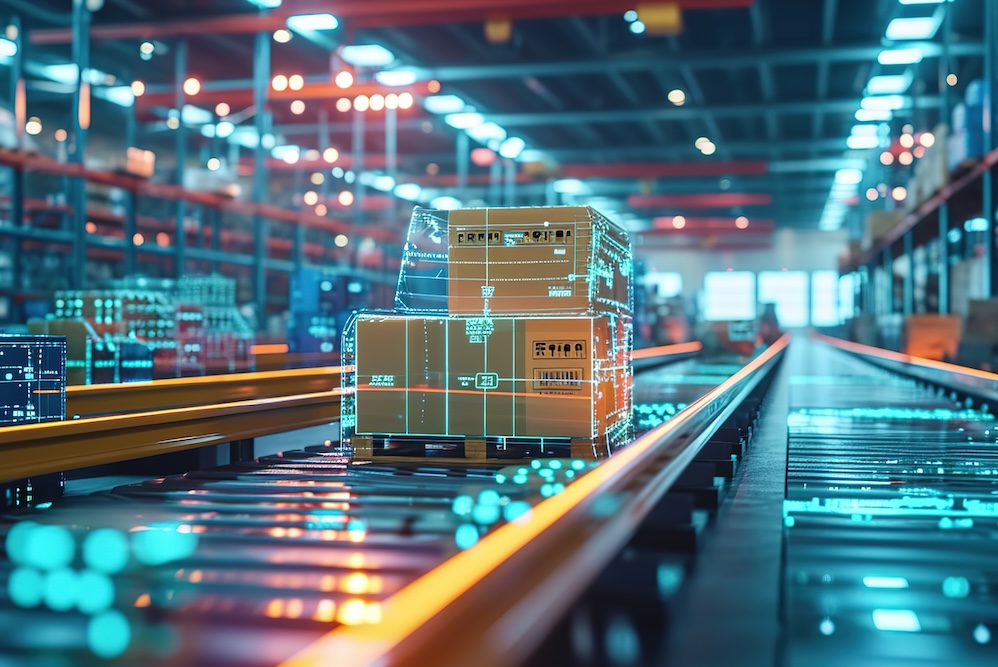
When a major retailer runs out of stock during peak season, or a manufacturer discovers a critical shipment is delayed only after it’s already impacting production, the root cause is usually the same: they’re managing their supply chain by looking in the rearview mirror.
Traditional supply chain management relies on historical data and static forecasting models. These tools tell you what happened last quarter or last year, but they struggle to account for what’s happening right now, or what’s likely to happen next week. In an environment where customer preferences shift overnight, transportation costs fluctuate daily, and global disruptions have become routine rather than exceptional, that reactive approach is no longer enough.

The Cost of Playing Catch-Up
Operating reactively creates a cascade of problems. Overstocking ties up capital in warehouses while understocking leads to lost sales and expensive expedited shipments. Manual planning processes can’t keep pace with real-time changes, leaving teams constantly firefighting instead of optimizing. The cumulative impact of these inefficiencies, such as missed opportunities, rushed corrections, and compounding delays, adds up quickly, turning manageable challenges into significant drags on profitability and growth.
What AI-Powered Optimization Does
AI changes the equation by transforming supply chains from reactive systems into adaptive ones. Instead of relying on periodic forecasts that quickly become outdated, AI models continuously process data from sales patterns, supplier performance, weather conditions, market signals, and logistics networks. Machine learning algorithms identify patterns humans would miss and adjust predictions as conditions change.
The result isn’t just faster forecasting, it’s fundamentally better decision-making. Demand predictions become accurate enough to right-size inventory across multiple locations. Route optimization adapts in real time to delays or capacity constraints. Risk signals surface early enough to take preventive action rather than damage control.
Building Resilience Through Intelligence
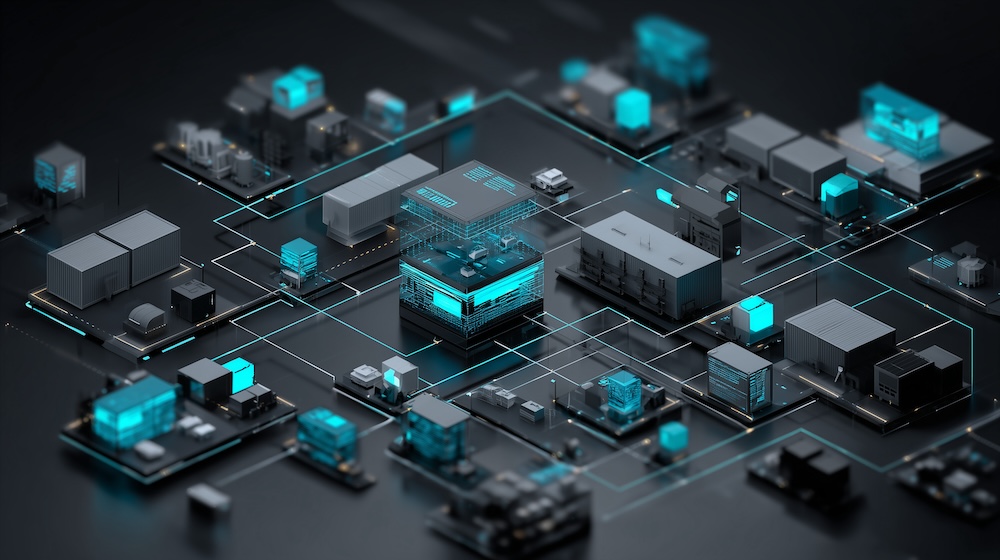
The businesses pulling ahead aren’t just using AI to do the same things faster. They’re building supply chains that adapt. When demand unexpectedly spikes for a product category, AI-powered systems can automatically rebalance inventory before stockouts occur. When a supplier signals potential delays, alternative sourcing options are already queued. When transportation costs surge in one region, logistics models reroute shipments to optimize both cost and delivery time.
This agility translates directly to competitive advantage. Companies can promise, and deliver, shorter lead times. They carry less safety stock while maintaining higher service levels. They respond to market opportunities while competitors are still analyzing what happened.
Making the Shift
Moving from reactive to resilient requires integrated systems that connect forecasting, inventory management, and logistics into a unified intelligence layer. It requires infrastructure capable of processing real-time data at scale and translating insights into actionable recommendations.
ACT delivers end-to-end AI-powered supply chain solutions designed for this reality. From predictive demand planning to real-time optimization, we help organizations build the data foundation, analytical capabilities, and operational processes needed to compete in an environment where agility matters more than scale.
The question isn’t whether AI will transform supply chain management; it already is. The question is whether your organization will lead that transformation or be forced to catch up.
About ACT
Applied Computer Technologies (ACT) is a full-service IT provider, specializing in Reinsurance and Finance. Services include Cloud Services, IT Services and Support, Microsoft 365 and Azure Services, Business Continuity, Telephony and Virtual CIO Services. ACT has locations in Bermuda, Cayman Islands and Canada, with customers worldwide.
For the latest industry trends and technology insights visit ACT’s main Blog page.